
Blue Zones, Examined: What Holds Up and What's Overstated
The long-lived communities make for great stories — but which lessons are durable and which are romanticized? A grounded look at what to take away.
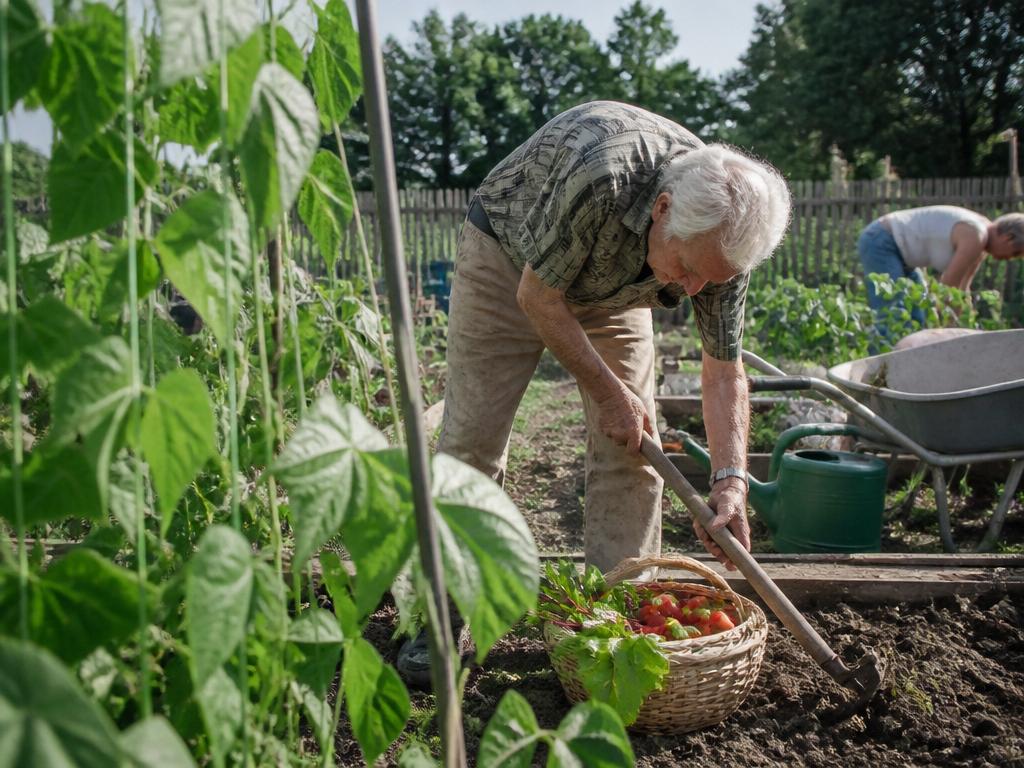
The idea that certain pockets of the world produce unusually long-lived people is captivating — and it’s spawned countless headlines and habit lists. It’s worth separating the durable lessons from the parts that have been romanticized.
The commonly cited patterns
The communities often held up as longevity standouts tend to share a recognizable set of lifestyle features. Even setting aside the hype, these patterns are broadly consistent with what other research suggests supports healthy aging — which is part of why they resonate.
The frequently mentioned commonalities include:
- Lots of natural movement. Activity is woven into daily life — walking, gardening, manual tasks — rather than confined to a gym session.
- A mostly plant-forward diet. Meals lean heavily on vegetables, legumes, whole grains, and beans, with meat playing a smaller role.
- Moderate eating. A tendency not to overeat, and to stop before feeling stuffed.
- Strong social bonds. Tight families, lifelong friendships, and a sense of community.
- A sense of purpose. A reason to get up in the morning, often tied to family or contribution.
- Lower chronic stress. Built-in rhythms of rest, downtime, and connection.
Laid out like that, the list isn’t mysterious. It’s a portrait of an active, connected, plant-forward, unhurried life — themes that show up across the broader healthy-aging literature, not just in these specific places.
Where the science is softer
Here’s where a little skepticism is healthy. The blue-zones concept has become a powerful brand, and popular retellings sometimes outrun what the evidence can firmly support.
A few honest caveats:
- The data can be shaky. In some long-lived populations, birth records are old or incomplete, and researchers have raised questions about how reliably extreme ages are documented. Some apparent longevity hotspots may partly reflect record-keeping quirks rather than biology alone.
- Correlation isn’t proof. These communities differ from one another and from the rest of us in countless ways — genetics, environment, history, diet. It’s hard to isolate which factors actually drive longevity versus which simply travel alongside it.
- You can’t copy a whole culture. A specific food or ritual gets lifted out, packaged, and sold as a secret. But the benefit, to whatever extent it’s real, likely comes from the whole pattern of life, not a single ingredient or trick.
- Survivorship and selection. The people we study are, by definition, the ones who lived a long time — which can color the conclusions we draw.
None of this means the communities aren’t genuinely healthy or that the lessons are worthless. It means the story has been simplified and sometimes oversold, and the responsible move is to hold the specifics loosely.
Transferable, realistic takeaways
So what’s actually worth borrowing? The most defensible move is to focus on the broad lifestyle themes that align with wider evidence — and to ignore the gimmicky, oversold specifics.
Grounded takeaways that travel well:
| Borrow this | Skip this |
|---|---|
| Move naturally throughout the day | Chasing one “magic” food |
| Eat more plants, less processed food | Treating a single ritual as a cure |
| Invest in relationships and community | Assuming a place’s results transfer wholesale |
| Cultivate purpose and downtime | Believing any diet guarantees a long life |
The reassuring news is that the transferable lessons aren’t unique to far-flung villages. Moving often, eating mostly plants, staying connected, and living with purpose are accessible anywhere — and they’re supported by far more than the blue-zones story alone. You can adopt the spirit of these communities without buying the mythology around them.
The bottom line
The long-lived communities offer a genuinely useful reminder of how lifestyle shapes aging — but they’re best read as inspiration, not as proven prescriptions. Hold the dramatic specifics with skepticism, and embrace the durable themes: natural movement, plant-forward eating, strong relationships, and a sense of purpose. Those hold up well beyond any single place, and you can start living them today, wherever you are.


