
What "Healthspan" Means and Why It Beats Just Living Longer
Longevity isn't only about total years — it's about the years you feel good. Reframing aging around healthspan changes what you optimize for.
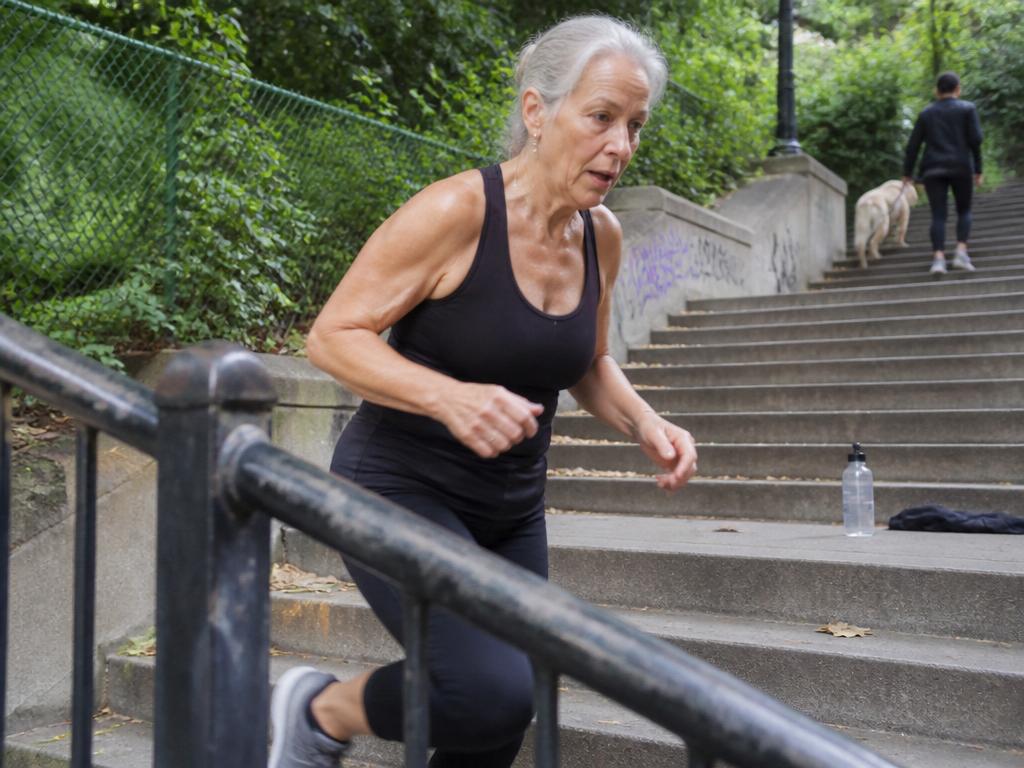
There’s a meaningful difference between adding years to your life and adding life to your years. The second one — your healthspan — may be the more useful thing to aim for, and the good news is that it’s something you can influence.
Defining healthspan
Lifespan is simple: it’s how long you live. Healthspan is the part that often gets overlooked — the portion of your life spent in good health, feeling capable, active, and free from serious disease or disability.
The two aren’t the same. Someone can have a long lifespan but a shorter healthspan if their final years are marked by significant illness or loss of independence. The aspiration behind the healthspan idea is to keep those two numbers as close together as possible: to live well for as much of your life as you can, rather than simply extending the total count.
Framed this way, longevity stops being an abstract race against the clock and becomes something more tangible and motivating. The question shifts from “How long will I live?” to “How many good years — years where I can do what I love, with energy and capability — can I build?” That reframe tends to point you toward habits you can actually act on today.
The compression-of-morbidity idea
There’s a concept that captures the healthspan goal nicely: compression of morbidity. “Morbidity” here just means time spent in ill health. Compressing it means pushing the onset of serious decline closer to the end of life, so the stretch of poor health is shorter and the stretch of vitality is longer.
Picture two lives of the same total length. In one, health gradually erodes for many years. In the other, the person stays robust and active until much later, with only a brief period of decline near the end. Same lifespan — very different experience. The second is what compressing morbidity looks like.
This is an idea that researchers have explored and debated, and it’s not a guarantee for any individual; aging is complex and partly out of our hands. But it offers a clear and hopeful target. Rather than chasing immortality, the realistic aim is to stay healthier for longer and shorten the rough patch at the end. That’s a goal grounded in how bodies actually age, not in wishful thinking.
Daily habits that move the needle
Here’s the genuinely encouraging part: the levers most associated with a longer healthspan aren’t exotic. They’re the unglamorous fundamentals, and they tend to reinforce one another.
- Move regularly. A mix of aerobic activity and strength work supports the muscle, heart, and mobility that keep you capable as you age.
- Eat a quality, mostly whole-food diet. Patterns rich in vegetables, fruit, legumes, whole grains, and lean proteins show up again and again in healthy-aging research.
- Prioritize sleep. Consistent, sufficient sleep underpins energy, mood, recovery, and long-term health.
- Nurture relationships. Strong social connection is repeatedly linked with better health and longevity.
- Avoid the big risks. Not smoking and keeping alcohol moderate remove major headwinds.
- Stay engaged. Purpose, learning, and mental stimulation appear to support aging well.
What’s striking is how ordinary this list is — and how much it overlaps with simply living a good, active life now. You don’t have to choose between feeling great today and aging well later; the same habits tend to serve both.
A quick reframe to carry with you:
| Old framing | Healthspan framing |
|---|---|
| Live as long as possible | Live well for as long as possible |
| Fix problems when they appear | Build capability before you need it |
| Aging is decline | Aging can be active and capable |
The bottom line
Living longer is only worth so much if those extra years aren’t ones you can enjoy. Healthspan flips the goal toward the years you feel strong, sharp, and independent — and the path there runs through everyday fundamentals: movement, good food, sleep, connection, and avoiding the big risks. Aim to compress the rough patch and expand the good years. It’s a hopeful, grounded way to think about getting older, and it starts with the choices you make today.


