
The Longevity Habit Hiding in Plain Sight: Strong Social Ties
Relationships keep showing up in healthy-aging research as a force on par with the usual suspects. Why connection matters, and how to build it into a busy life.
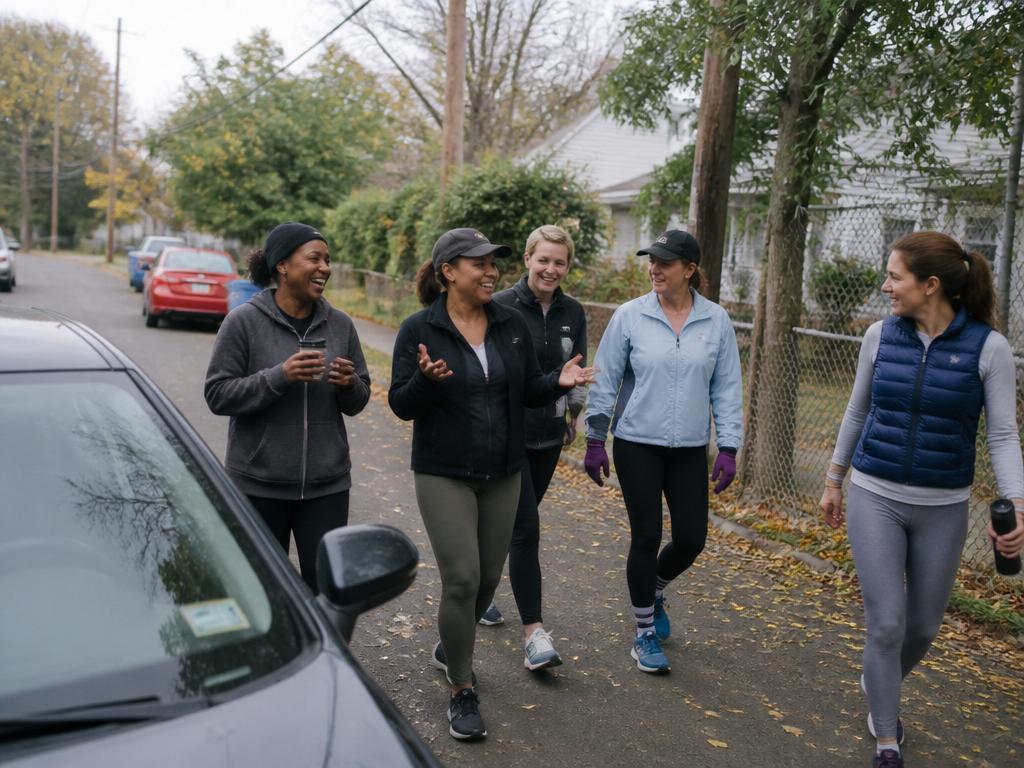
We talk endlessly about diet and exercise for a long, healthy life — and rightly so. But there’s another factor that keeps surfacing in the research, one that’s easy to overlook precisely because it doesn’t come in a workout plan: the strength of our relationships.
The evidence on connection
Across a large body of research, strong social ties keep emerging as a meaningful factor in health and longevity. People with robust relationships and a sense of belonging tend, on average, to fare better over time than those who are more isolated. It’s a pattern striking enough that many researchers now treat social connection as a genuine pillar of health, not a soft extra.
Why might connection matter so much? The full mechanisms aren’t completely settled, but several plausible threads appear in the literature:
- Support and buffering. Close relationships can help us weather stress and hard times, and chronic stress takes a toll on the body.
- Healthy influence. People we’re close to often encourage good habits, notice when something’s wrong, and nudge us toward care when we need it.
- A sense of meaning. Belonging and purpose seem to support well-being in ways that ripple into physical health.
It’s important to be measured here. This is largely correlational territory, and connection is tangled up with many other life factors, so it’s hard to pin down exactly how much it contributes on its own. But the consistency of the signal — across many studies and populations — is hard to ignore. Relationships appear to be genuinely good for us, not just pleasant.
Loneliness as a health factor
The flip side of connection deserves honest attention. Loneliness and prolonged social isolation aren’t just emotionally painful — they’re increasingly discussed as health concerns in their own right.
Persistent loneliness has been associated in research with poorer health outcomes, which is part of why public-health voices have begun treating it as a serious issue rather than a private misfortune. The takeaway isn’t to frighten anyone; it’s to grant loneliness the same legitimacy we give other health risks, so we feel justified in addressing it.
A few grounding points:
- Loneliness is about quality, not just quantity. You can feel lonely in a crowd, or deeply connected with just a few close relationships. It’s the felt sense of connection that matters.
- It’s common and nothing to be ashamed of. Many people experience stretches of loneliness, especially through life transitions like moving, retiring, or losing loved ones.
- It’s workable. Like other health factors, the experience of connection can change — relationships can be built and rebuilt at any stage of life.
If loneliness is weighing on you persistently, it’s a valid thing to raise with a clinician or counselor, just as you would any other aspect of your health.
Building ties into a busy life
The practical question is how to nurture connection when life is full. The encouraging news is that meaningful relationships are built through small, repeatable actions, not grand gestures. Consistency beats intensity here, much as it does with exercise.
Approachable ways to invest:
- Make it recurring. A standing weekly call, walk, or meal turns connection into a habit instead of a someday intention.
- Stack it onto what you already do. Walk with a friend, cook with family, or join others for an activity you’d do anyway.
- Reach out first. A quick message to someone you’ve been meaning to contact often restarts a dormant relationship.
- Find shared activities. Clubs, classes, volunteering, faith communities, or sports build ties around common ground.
- Prioritize depth. A few close, reliable relationships often matter more than a wide but shallow network.
| If you have… | A realistic way to connect |
|---|---|
| Five minutes | Send a message to check in on someone |
| A lunch break | Eat with a colleague instead of at your desk |
| A regular workout | Invite someone to join you |
| A recurring errand | Turn it into time with a friend or family member |
The point isn’t to manufacture a busy social calendar. It’s to treat connection as something worth tending deliberately — woven into ordinary life rather than left to chance.
The bottom line
Strong relationships may be one of the most underrated ingredients in a long, healthy life — a factor that research keeps placing alongside the usual pillars of diet and movement. Connection appears to support us through stress, encourage healthy habits, and give life meaning, while persistent loneliness is increasingly recognized as a real health concern. The fix is refreshingly human: invest in a few close ties through small, consistent actions. It’s a longevity habit hiding in plain sight, and it’s one of the most rewarding to practice.


