
Mobility and Flexibility: Staying Limber as You Age
Keeping your joints capable is what makes daily life stay easy for decades. The difference between mobility and flexibility, and a short routine to maintain both.
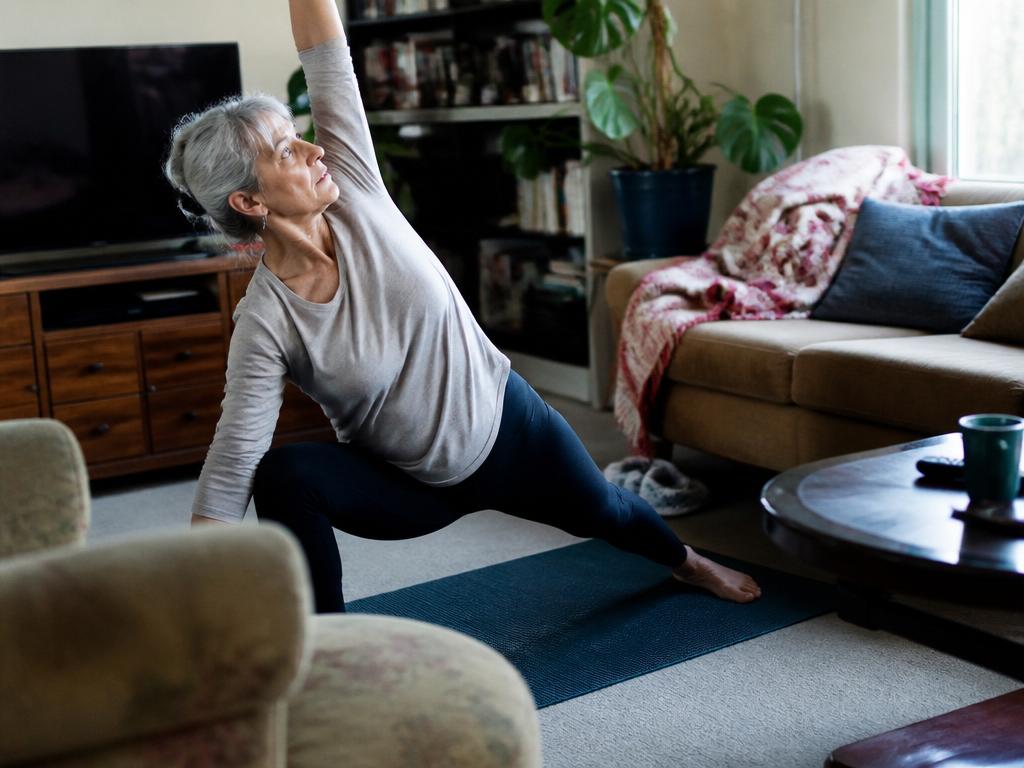
Bending to tie your shoes, reaching for a top shelf, twisting to look behind you — these small movements are the quiet machinery of an independent life. Keeping them easy as the years pass is what mobility work is really about.
Mobility vs. flexibility
The two terms get used interchangeably, but they describe slightly different things — and understanding the distinction helps you train smarter.
- Flexibility is about how far a muscle can lengthen — the passive range, like how far you can stretch a hamstring.
- Mobility is about how well you can actively control movement through a joint’s range — strength and coordination combined with that range.
A useful way to picture it: flexibility is having the range available; mobility is being able to use that range with control and stability. You can be quite flexible yet lack mobility if you can’t actually command your body through those positions. For everyday capability, mobility — usable, controllable range — tends to be the more practical goal, though both matter.
Why does any of this become more important with age? Over time, if we don’t regularly move our joints through their full range, that range tends to shrink and tasks can start to feel stiffer or harder. The reassuring news is that this isn’t purely inevitable — moving well is a “use it or keep it” situation, and regular, gentle practice helps preserve the freedom of movement that daily life depends on.
High-value joints to maintain
You don’t need to fuss over every joint equally. A few areas tend to deliver the biggest returns for everyday function, because they’re so central to common movements and so prone to stiffening up with a sedentary lifestyle.
Areas especially worth maintaining:
- Hips. Central to walking, squatting, bending, and getting up and down. Hips that move freely make a huge range of daily tasks easier.
- Spine (back and neck). Bending, twisting, and turning to look around all depend on a mobile spine.
- Shoulders. Reaching overhead, dressing, and carrying rely on shoulder range.
- Ankles. Often overlooked, but important for balance, walking, and stable squatting.
| Joint area | Everyday tasks it supports |
|---|---|
| Hips | Walking, sitting, standing, bending |
| Spine | Twisting, reaching, looking around |
| Shoulders | Reaching up, dressing, lifting |
| Ankles | Balance, walking, stable footing |
Maintaining these key areas tends to pay off broadly, keeping the movements you do every single day feeling smooth and easy. If a particular joint feels especially stiff or gives you trouble, that’s a reasonable cue to give it gentle attention — or to check with a clinician if there’s pain involved.
A short daily routine
The good news is that maintaining mobility doesn’t require a long or complicated regimen. A brief, regular practice — even just a few minutes most days — can go a long way toward keeping your joints capable. Consistency matters far more than duration here.
General principles for moving well and safely:
- Move gently and within a comfortable range. Aim for a feeling of easy stretch or smooth motion, never pain.
- Favor controlled movement over forcing. Slowly moving your joints through their range tends to be more useful for everyday mobility than yanking into deep static stretches.
- Breathe and relax. Tension works against you; let the movements be calm and unhurried.
- Warm up a little first. Joints tend to move more freely once you’ve moved your body a bit, so a short walk or gentle activity beforehand helps.
A simple, balanced daily template might gently address each high-value area:
- Hips — slow, controlled circles and gentle range-of-motion movements.
- Spine — easy twists and gentle bends in each direction.
- Shoulders — slow shoulder rolls and reaching motions through a comfortable range.
- Ankles — gentle ankle circles and controlled flexing.
The whole sequence can take just a few minutes, and it’s easy to attach to an existing habit — first thing in the morning, during a work break, or while watching something in the evening. The aim isn’t intensity; it’s regularly visiting each joint’s range so your body remembers how to use it.
As always, if you have joint problems, past injuries, or any health concerns, it’s wise to get individualized guidance before starting a new routine. Gentle and consistent beats aggressive and sporadic every time.
The bottom line
Mobility and flexibility are what keep ordinary movements — bending, reaching, twisting, squatting — feeling easy as you age, and they respond well to a simple “keep using it” approach. Focus your attention on the high-value joints (hips, spine, shoulders, ankles), move gently through their comfortable range, and make a few minutes of practice a near-daily habit. It’s modest work with an outsized payoff: a body that stays capable, comfortable, and ready for whatever the decades bring.


